

The Invisible Illness in Your Home: A Complete Guide to Mold Toxicity and Functional Recovery
When Chronic Symptoms Have No Explanation, the Answer Might Be in Your Environment
You’ve seen the specialists. You’ve had the bloodwork done. You’ve been told, more than once, that everything looks normal, and yet the fatigue persists. The brain fog won’t lift, the anxiety, the digestive issues, the mornings where you wake up feeling worse than when you went to bed. None of it has a clear explanation, and after a while, you start wondering if you’re imagining it. Well, you’re not.
At Vibrant Health of Colorado, we regularly see patients who arrive carrying years of unresolved symptoms and a stack of normal lab results. What they haven’t been evaluated for, in most cases, is whether their environment is contributing to their illness. Mold and mycotoxin exposure is one of the most consistently overlooked drivers of exactly the kind of multi-system, hard-to-pin-down symptoms that conventional medicine struggles to explain.
This guide walks through what mold toxicity actually is, how it affects the body across multiple systems, why it’s so frequently missed, and what a thorough functional medicine approach to testing and recovery looks like. If you’ve been searching for a Denver mold toxicity doctor or trying to understand whether your symptoms could be related to your home or workplace environment, this is a good place to start.

What Is Mold Toxicity? Understanding the Difference Between Mold Allergy and Mycotoxin Illness
Mold is a fungus that thrives in damp, moisture-rich environments. Despite Colorado’s reputation for dry air, hidden moisture from plumbing leaks, poorly ventilated bathrooms, water-damaged building materials, and swamp coolers creates conditions where mold can grow undetected behind walls, under flooring, and inside HVAC systems. Many patients with significant mold exposure have never seen visible mold in their home.
It’s important to distinguish between two different responses to mold. A mold allergy is an immune response that produces familiar symptoms like sneezing, congestion, and itchy eyes. Mycotoxin illness is a different and more systemic problem. Mycotoxins are toxic byproducts produced by certain mold species. They’re fat-soluble, which means they’re absorbed into tissues and can accumulate in the body over time. They’re also bioaccumulative, meaning that ongoing or repeated exposure increases the toxic burden rather than clearing it naturally.
Exposure occurs primarily through inhalation, but also through ingestion (certain foods including corn, peanuts, and dried fruit can carry mycotoxin contamination) and skin contact.
Not everyone exposed to mold develops chronic illness from it. Genetic susceptibility plays a meaningful role. Individuals with certain HLA-DR gene variants have immune systems that’re structurally less able to recognize and clear biotoxins, making them significantly more vulnerable to the systemic effects of mycotoxin accumulation. This is why two people can live in the same water-damaged home and have entirely different health outcomes.
Why Conventional Medicine So Often Misses Mold Illness
This is one of the most important things to understand, and it’s got nothing to do with individual providers failing their patients. Conventional medicine is organized around discrete diagnoses and symptom management. It’s not structurally built for root-cause, environmental investigation.
Mold illness symptoms overlap significantly with many other conditions, including:
- Chronic fatigue syndrome and fibromyalgia
- Irritable bowel syndrome and other GI disorders
- Anxiety and depression
- Hormone imbalance and adrenal dysfunction
- Autoimmune conditions
- Hypothyroidism
Standard lab panels don’t include mycotoxin testing, and a patient can carry a significant toxic burden and receive a completely normal blood panel. Without specific training in functional or environmental medicine, most providers don’t have the clinical framework to connect multi-system symptoms to a single environmental driver.
The result is a pattern we see repeatedly in our practice: patients who’ve spent years cycling through specialists, receiving diagnoses that treat individual symptoms in isolation, and being told that stress or aging is the likely explanation. That kind of dismissal isn’t just frustrating. It delays real recovery and compounds the physical and emotional toll of being chronically unwell.
Our functional medicine approach and philosophy at Vibrant Health is rooted in finding the cause, not fixing the numbers. When a patient presents with persistent, multi-system symptoms and normal conventional labs, that’s not a clean bill of health, it’s a signal to look deeper.

How Mold and Mycotoxins Affect the Body: A Multi-System Overview
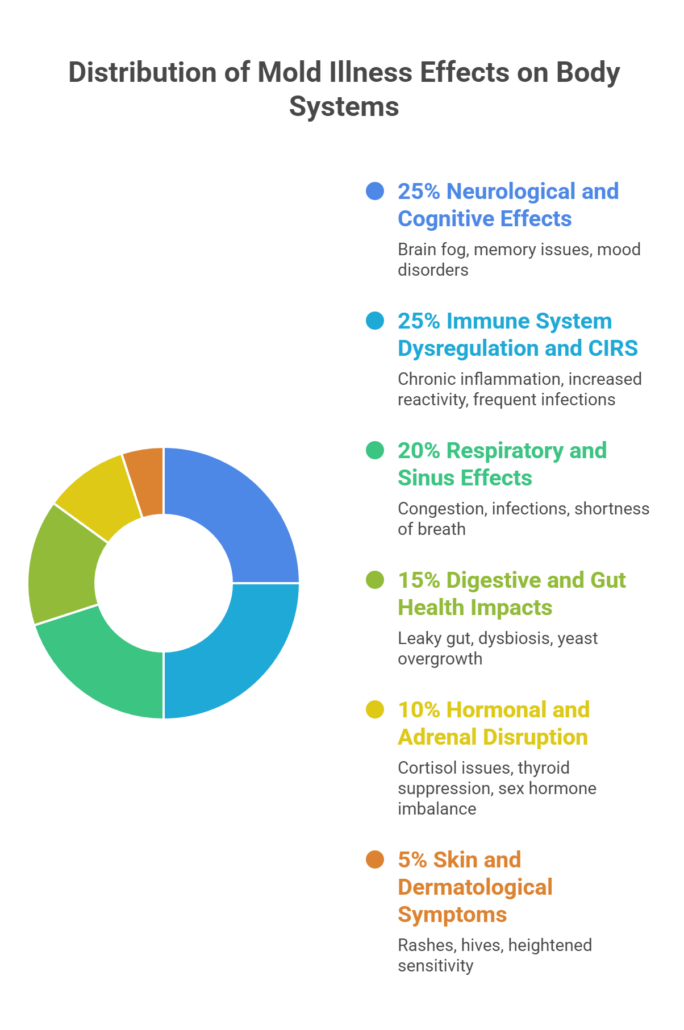
Mold illness isn’t a localized condition. Mycotoxins circulate systemically and can affect virtually every organ system. Understanding the full scope of this helps explain why patients with mold illness so often feel like their entire body’s struggling at once.
Neurological and Cognitive Effects
Mycotoxins are capable of crossing the blood-brain barrier, contributing to neuroinflammation that produces symptoms including persistent brain fog, memory impairment, difficulty concentrating, headaches, vertigo, and light or sound sensitivity. Mood disorders including anxiety, depression, and unexplained irritability are also common and are frequently misattributed to psychological causes.
Immune System Dysregulation and CIRS
Chronic, low-grade inflammation that doesn’t resolve is a hallmark of mold illness. Patients often notice increased reactivity to foods, chemicals, and environmental triggers that didn’t previously bother them. Frequent infections or slow recovery are also common signs of immune dysregulation.
A key framework here is Chronic Inflammatory Response Syndrome (CIRS), a condition in which the immune system enters a state of persistent activation following biotoxin exposure. In genetically susceptible individuals, the immune system doesn’t successfully clear the biotoxin signal, and inflammation continues even after the source of exposure’s been removed. This is why symptoms often persist and worsen over time without proper treatment.
Respiratory and Sinus Effects
Chronic sinus congestion, recurring sinus infections, coughing, shortness of breath, and wheezing are frequently attributed to allergies or asthma without investigating the underlying environmental trigger.
Digestive and Gut Health Impacts
Mycotoxins disrupt the intestinal lining, contributing to intestinal permeability (often called leaky gut). They also promote dysbiosis, the disruption of healthy microbiome balance, which frequently leads to yeast overgrowth. Patients often present with bloating, abdominal discomfort, irregular bowel habits, and IBS-like symptoms that haven’t responded to standard GI treatment. The gut’s both a site of mycotoxin damage and a critical pathway for elimination. When gut integrity’s compromised, the body’s capacity to clear toxins is significantly reduced.
Hormonal and Adrenal Disruption
This is an area where Vibrant Health’s providers with clinical depth in hormone optimization offer a perspective that most mold illness content doesn’t address. Mycotoxins interfere with cortisol regulation and can contribute to adrenal dysfunction. The chronic inflammatory burden of mold illness also suppresses and disrupts thyroid function. Sex hormone balance, including estrogen, progesterone, and testosterone, is affected by the systemic inflammation and HPA axis dysregulation that mold exposure drives.
This is why many patients with mold illness also present with what looks like hormone imbalance: persistent fatigue, mood instability, low libido, weight changes, and disrupted sleep. Treating hormones in isolation, without addressing the underlying mold-driven inflammation, produces incomplete and often temporary results.
Skin and Dermatological Symptoms
Unexplained rashes, hives, or heightened skin sensitivity are also common, particularly in patients with significant immune dysregulation.
The Mold, Gut, and Immune Connection: Why Recovery Starts in the Gut
The gastrointestinal tract is one of the primary routes through which mycotoxins enter and circulate through the body. A compromised gut lining allows mycotoxins and inflammatory byproducts to recirculate systemically rather than being eliminated. Dysbiosis and yeast overgrowth, both common in mold illness, further impair the body’s natural detoxification capacity.
This creates a reinforcing cycle: poor gut integrity worsens immune dysregulation, which drives more inflammation, which further damages the gut. Breaking that cycle’s foundation to recovery.
At Vibrant Health, ourfunctional approach to gut health includes advanced stool testing, microbiome evaluation, and personalized protocols designed to restore gut integrity and support the elimination pathways that mold recovery depends on. Healing the gut isn’t a secondary consideration in mold illness, it’s where meaningful recovery begins.
A Functional Medicine Approach to Mold Recovery: The Steps That Actually Matter
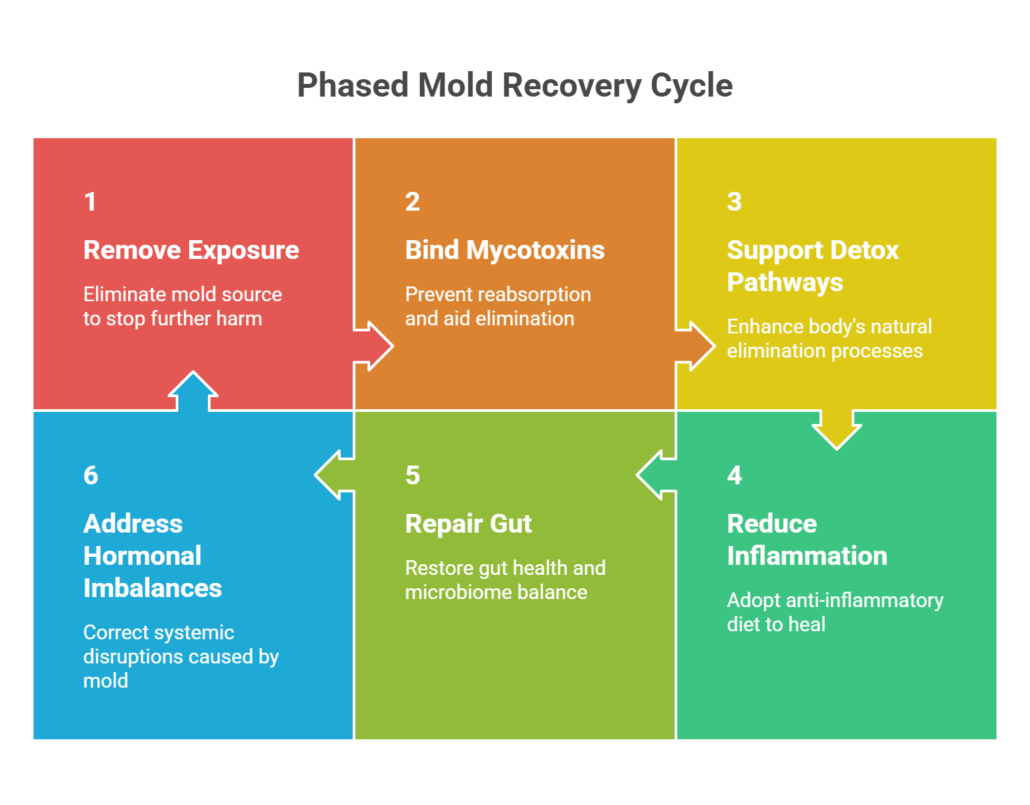
Recovery from mold illness follows a logical sequence, and the order of these steps matters. Beginning detox support before removing the source of exposure, or attempting to correct hormone imbalances before addressing gut integrity, produces incomplete results. Instead, effective recovery is phased, personalized, and monitored over time.
Step 1 – Remove the Source of Exposure: Recovery can’t meaningfully begin while exposure continues. Identifying and remediating mold in the home or workplace is the non-negotiable first step. We recommend working with environmental specialists and remediation professionals when needed, and some patients require temporary relocation during the remediation process.
Step 2 – Bind and Eliminate Mycotoxins: Binders such as activated charcoal, bentonite clay, and cholestyramine prevent mycotoxin reabsorption in the gut and support their elimination from the body. Binder protocols must be carefully individualized and timed to avoid interfering with nutrient absorption.
Step 3 – Support the Body’s Detox Pathways: This includes targeted liver support through nutrients like glutathione and NAC, sweat-based elimination through movement and sauna therapy, and attention to hydration and mineral balance to support cellular function.
Step 4 – Reduce Inflammation Through Nutrition: An anti-inflammatory, low-mold dietary framework is a meaningful part of recovery. This involves eliminating common mold-contaminated foods (corn, peanuts, dried fruit, and certain grains) and focusing on whole, nutrient-dense foods that support immune regulation and tissue repair.
Step 5 – Repair the Gut and Restore Microbiome Balance: Targeted probiotics, gut-lining support, and protocols to address yeast overgrowth or bacterial dysbiosis that’s developed alongside mold exposure form the foundation of long-term immune resilience.
Step 6 – Address Hormonal and System-Level Imbalances: Once the foundational steps are underway, a thorough evaluation of cortisol, thyroid, and sex hormone balance helps address the systemic disruption that mold illness drives. Our hormone optimization services are integrated into this stage of recovery for patients whose hormonal health’s been affected.
How Mold Illness Is Diagnosed: What a Thorough Workup Looks Like
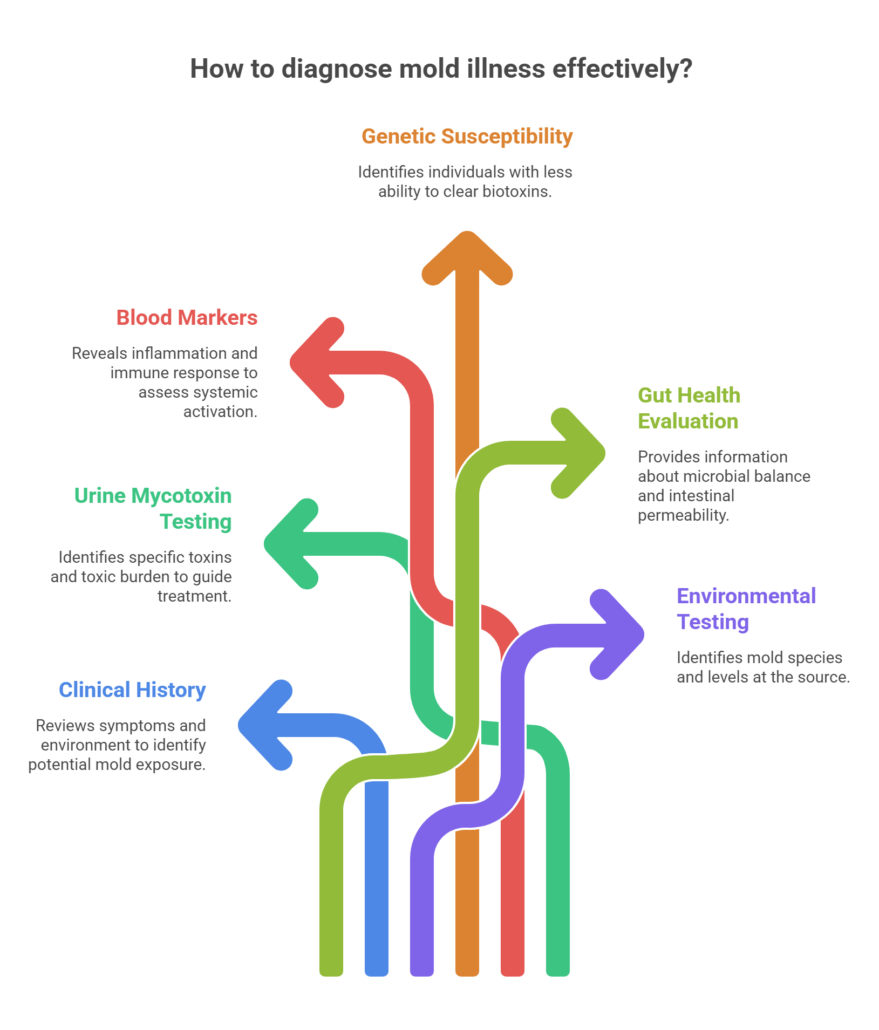
A functional medicine evaluation for mold illness goes well beyond a standard panel. Here’s what a thorough workup typically involves:
- Clinical history and environmental assessment: A detailed intake that reviews symptom timeline, living and working environments, history of water damage or visible mold, and prior diagnoses that may have missed an environmental driver.
- Urine mycotoxin testing: Urine-based panels identify specific toxins present in the body and provide a measure of toxic burden, guiding targeted treatment decisions.
- Blood markers for inflammation and immune response: Markers including C4a, TGF-beta1, and MMP-9, along with immune indicators, reveal the degree of systemic activation and immune dysregulation.
- Genetic susceptibility testing: HLA-DR gene variant testing identifies patients whose immune systems are structurally less able to clear biotoxins, which has direct implications for treatment planning.
- Gut health and microbiome evaluation: Functional stool testing provides critical information about microbial balance, intestinal permeability, and detox capacity that standard GI panels don’t capture.
- Environmental testing: ERMI or HERTSMI-2 testing of the home or workplace may be recommended to identify mold species and levels at the source.
This level of investigation is what separates a functional medicine approach from a conventional one. Patients who’ve been told their labs are normal have often never had this kind of workup. That’s not a reflection of their health. it’s a reflection of the limitations of standard testing.
Working with a Mold Toxicity Doctor in Denver: What to Look For
If you’re searching for a Denver mold toxicity doctor or mycotoxin treatment, the quality of the provider relationship matters as much as the testing menu. A few things worth looking for:
- A provider who takes a thorough history that includes environmental factors, not just symptom management
- Demonstrated experience with the complex, multi-system presentation of mold illness
- Access to advanced testing including urine mycotoxin panels, inflammatory markers, and gut health evaluation
- Willingness to coordinate with environmental specialists when remediation’s needed
- A care model that supports ongoing monitoring and protocol adjustment over time, not just a single consultation
At Vibrant Health of Colorado, our functional medicine approach evaluates mold illness within the full context of your health, including gut function, hormone balance, immune status, and comprehensive primary care needs. We see patients at our Lone Tree location in the Denver Metro area, at our Eagle location serving the Vail Valley, and via telehealth across Colorado.
Mold recovery isn’t simple, it’s not a quick fix, and it shouldn’t be treated like one. But with the right clinical partnership, the right testing, and a care model built around the time and continuity that complex illness actually requires, real improvement is possible. Patients who’ve spent years without answers deserve providers who’ll look in the right places.
Ready to Investigate What Your Body Has Been Trying to Tell You?
If chronic, unexplained symptoms haven’t responded to conventional care and you suspect your environment may be a contributing factor, a functional medicine consultation is a meaningful next step. We’re here to listen, to test thoroughly, and to work with you toward the kind of answers that actually move the needle on your health.
Schedule a consultation today with Vibrant Health of Colorado, or explore our full range of functional medicine services by visiting our home page to learn more about our approach to root-cause, whole-person care.
Frequently Asked Questions About Mold Toxicity and Functional Recovery
Can mold exposure affect my hormones? Yes, and this connection’s more significant than most patients realize. Mycotoxins disrupt cortisol regulation and can suppress thyroid function. The chronic inflammatory burden of mold illness also affects the HPA axis, which regulates the relationship between the brain and the adrenal glands. Sex hormones including estrogen, progesterone, and testosterone can all be affected by the systemic inflammation mold illness drives. Many patients presenting with hormone-related symptoms such as fatigue, mood instability, and sleep disruption benefit from evaluating mold exposure as a contributing factor alongside their hormonal health.
How do I know if my symptoms are from mold and not something else? No single symptom confirms mold illness, and many of its symptoms overlap with other conditions. The pattern that warrants deeper investigation is this: multiple body systems are affected, conventional labs have returned normal, standard treatments haven’t produced lasting improvement, and symptoms may worsen in specific environments (home, office, or car) and improve when you’re away. If that pattern sounds familiar, a functional medicine evaluation that includes environmental and mycotoxin testing is a reasonable and important next step.
How long does recovery from mold illness take? Recovery isn’t linear and varies significantly depending on the duration of exposure, the degree of toxic burden, individual genetic susceptibility, and how quickly the source of exposure is identified and removed. Many patients begin to notice improvements in energy, sleep, and cognitive clarity within the first few months of consistent, well-supported care. Full systemic recovery often takes longer, particularly for patients with long-standing illness. Setting realistic expectations and having a provider relationship that allows for ongoing monitoring and protocol adjustment is one of the most important factors in a successful recovery.
What is Chronic Inflammatory Response Syndrome (CIRS)? CIRS is a condition in which the immune system enters a state of persistent activation following exposure to biotoxins, including mycotoxins from mold. In individuals with certain genetic variants (HLA-DR), the immune system doesn’t successfully clear the biotoxin signal, and inflammation continues even after exposure’s stopped. This explains why many patients with mold illness feel worse over time rather than better, and why simply removing the source of exposure, while necessary, is often not sufficient on its own. CIRS requires a structured, phased treatment approach to bring the immune system back into balance.
What should I do first if I suspect mold is affecting my health? The most important first step is to take the possibility seriously and pursue a proper evaluation rather than waiting for symptoms to resolve on their own. This means two things happening in parallel: having your living and working environment assessed for mold by a qualified environmental inspector, and scheduling a consultation with a functional medicine provider who’s experienced with environmental illness. At Vibrant Health, we can help evaluate your symptom history, order appropriate testing, and work with you to develop a recovery plan that addresses both the toxic burden and the systemic effects it’s produced.

Erynn Gonzales, PA-C is a board-certified, licensed Physician Assistant who is passionate about helping patients achieve their health and lifestyle goals! Erynn has worked in primary care for 14 years and counting. After graduating with a Master’s Degree in Physician Assistant Studies from Midwestern University in 2009, Erynn practiced Internal Medicine and Pediatrics for four years in Phoenix, AZ. During these first few years, she noticed enormous gaps in healthcare and embarked on several years of self-study in ancestral nutrition and natural healing to be able to provide more to her patients, learning how to blend conventional and functional medicine.